




Riding Route 66: Oklahoma’s Best Stretch
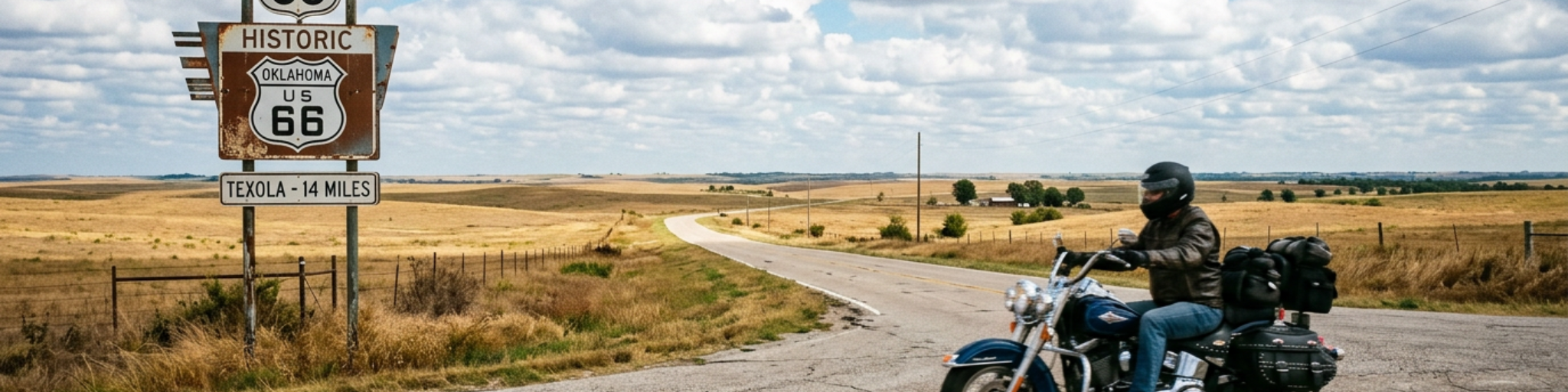
Image: AI-generated for illustrative purposes.
Table of Contents
- Summary
- Why Oklahoma’s Route 66 Is Different
- The Eastern Stretch: OKC to Tulsa
- Key Stops You Should Not Skip
- The Western Stretch: OKC Toward Elk City
- What to Know About Pavement and Conditions
- When Should You Ride It?
- What Motorcycle Fits Route 66?
- Key Takeaways
- Frequently Asked Questions
- Start Your Route 66 Ride from OKC
- Continue Exploring
Summary
Oklahoma contains more original Route 66 pavement than any other state on the Mother Road – over 400 miles of it. Oklahoma City sits almost exactly at the midpoint, making it one of the best starting positions on the entire route. This guide covers both directions from OKC: the eastern stretch toward Tulsa with its roadside landmarks and small-town character, and the western stretch toward Elk City and the Texas border with its wide-open Great Plains horizon. Plus what to expect from the road itself, when to ride it, and which motorcycle makes the most of it.
Route 66 runs 2,400 miles from Chicago to Santa Monica. Oklahoma gets 400 of them – more than any other state on the route, more original pavement still in place, and more of the character that made the road famous in the first place.
Oklahoma City isn’t just near Route 66. It sits almost exactly in the middle of the Oklahoma stretch – which means riders leaving from OKC can head east into rolling green countryside and small-town Americana, or west into wide-open plains and the kind of horizon that makes you feel like you could ride forever.
Both directions are worth it. Here’s how to approach each one.
Why Oklahoma’s Route 66 Is Different
Quick Answer: Oklahoma preserved more original Route 66 alignment than any other state – partly by geography, partly by choice. What that means for riders is less reconstruction, more authenticity, and a road that still feels like what it was built to be: a route for people going somewhere, with something to see along the way.
The interstate highway system bypassed Route 66 gradually through the 1950s, 60s, and 70s. In most states, the old alignment was absorbed into local roads, paved over, or simply left to deteriorate. Oklahoma – which had a more complicated relationship with the highway to begin with – kept more of it intact.
The result is a road that still has the original character: two lanes, small towns, roadside businesses built for travelers, and a pace that the interstates deliberately removed. Riding Route 66 in Oklahoma is not a theme park version of the experience. It’s closer to the actual thing than almost anywhere else on the route.
That also means pavement quality varies. Some sections are maintained and excellent. Others carry their age visibly. Both are part of the experience – and both require paying attention.
The Eastern Stretch: OKC to Tulsa
Quick Answer: The 100-mile stretch from OKC east through Arcadia, Chandler, Stroud, and into Tulsa is the most accessible and stop-worthy section for OKC riders. The road picks up character almost immediately east of the city and holds it all the way to Tulsa.
The eastern stretch starts in earnest once you clear the OKC metro – and the transition is noticeable. The road narrows, the pace drops, and the towns along the way feel like they’ve been waiting for riders to slow down long enough to notice them.
The Route East
- Arcadia: First major stop east of OKC. Home of the restored Round Barn (one of the most photographed buildings on Route 66) and POPS – a roadside attraction built around a giant soda bottle sculpture and hundreds of varieties of bottled soda. Genuinely worth stopping.
- Chandler: Small town with good Route 66 character, a historic downtown, and the Route 66 Interpretive Center if you want context on the road’s history.
- Stroud: Slightly larger, with the Rock Cafe – another Route 66 institution that survived a fire and continues to draw riders and road-trippers alike.
- Bristow, Sapulpa: The approach to Tulsa along the old alignment – smaller towns with architecture and signage that remind you what this corridor looked like before the interstates arrived.
The eastern stretch is comfortably done as a day ride – OKC to Tulsa on Route 66 is about 3–4 hours of riding at a natural stop-and-go pace, or a comfortable day trip with lunch and exploration built in. Tulsa itself is worth a stop if you want to extend the trip – the city’s Route 66 presence is well-preserved and walkable.
Key Stops You Should Not Skip
Quick Answer: The Round Barn in Arcadia and POPS are the most photographed stops near OKC. The Rock Cafe in Stroud and the Blue Whale in Catoosa (east of Tulsa) are the strongest destinations further east. On the western stretch, Lucille’s Roadhouse in Weatherford and the National Route 66 Museum in Elk City anchor the far end of the ride.
Route 66 stops are a rider’s choice – there are dozens of them and no two people prioritize the same ones. These are the ones with staying power:
Eastern Stretch
- Round Barn, Arcadia: Built in 1898, restored in the 1990s. The structure is genuinely unusual – round barns were briefly popular for their structural efficiency and this one survived everything Oklahoma weather threw at it for over a century.
- POPS, Arcadia: The 66-foot soda bottle sculpture and accompanying pop culture diner have become a legitimate Route 66 landmark since opening in 2007. More interesting than it sounds.
- Rock Cafe, Stroud: One of the oldest continuously operating restaurants on Route 66 in Oklahoma – original building dates to 1939. Worth a stop for the history as much as the food.
- Blue Whale, Catoosa: East of Tulsa, the Blue Whale sculpture on a pond is one of those inexplicable Route 66 things that somehow earns its legendary status. Worth the detour.
Western Stretch
- Lucille’s Roadhouse, Weatherford: Named for one of the most famous service station operators on Route 66, this is a reliable stop with good food and genuine Route 66 character.
- National Route 66 Museum, Elk City: A serious museum with well-curated Route 66 history – a natural turnaround point on the western stretch.
- Hydro and Weatherford area: Several original aligned sections pass through small towns with vintage signage and architecture worth slowing down for.
The Western Stretch: OKC Toward Elk City
Quick Answer: The western stretch from OKC toward Elk City and the Texas border is a different experience than the eastern section – wider open, less traffic, and more about the feeling of the Great Plains than roadside charm. It suits riders who want space and horizon over towns and stops.
West of Oklahoma City, the landscape opens up considerably. The road is flatter, the towns are farther apart, and the horizon extends in a way that makes the ride feel more elemental. This is the Route 66 of dust bowl imagery and John Steinbeck’s Oklahoma – open, serious, and genuinely evocative of what the road once meant to people making their way west.
Clinton, Weatherford, and Elk City each have Route 66 history and stops worth making. The Oklahoma Route 66 Museum in Clinton is one of the better museums on the entire route. Elk City’s National Route 66 Museum makes a natural endpoint at about 100 miles west of OKC.
Wind is a more significant factor on the western stretch than the eastern. Crosswinds on the open plains can be substantial, especially in spring. Riding position and bike choice matter more here than they do in the relatively sheltered eastern corridor.
What to Know About Pavement and Conditions
Quick Answer: Route 66 pavement in Oklahoma ranges from very good to noticeably rough. Sections near towns and tourist areas tend to be well-maintained. More isolated stretches can carry patched concrete, irregular surfaces, and grade changes. Ride attentively – this is not a set-cruise-control road.
The original 1926–1938 aligned concrete sections still exist in places – and they can be rough. Expansion joints in older concrete sections can catch a narrow front tire unprepared. Patched asphalt over concrete base creates irregular surfaces. Some sections near abandoned towns have deteriorated significantly.
How to Manage It
- Ride at a pace that keeps you well inside your sight lines and reaction distance
- On concrete sections with expansion joints, keep a relaxed grip and let the bike track naturally – tensing up over the joints makes them harder to manage
- After rainfall, isolated sections can carry surface moisture and debris longer than maintained highways
- Rail crossings along the route can be rough and sometimes angled – approach them with a straight line and reduce speed
None of this is a reason to avoid the road. It’s a reason to ride it like a road worth your full attention – which is exactly what Route 66 is.
When Should You Ride It?
Quick Answer: Spring and fall are the strongest seasons for Route 66 in Oklahoma. Spring brings green landscape and moderate temperatures. Fall combines cooler riding conditions with generally clear weather. Summer works with early starts. Weekdays are noticeably quieter at the popular stops than weekends.
The stops along Route 66 – particularly POPS, the Round Barn, and the museums – attract non-rider tourists on weekends, which can make some sections feel more congested than you’d expect for a two-lane road. If you want the more solitary experience of the road itself, weekday mornings are the call.
Seasonal Notes
- Spring (April–May): Good conditions but watch Oklahoma storm weather – tornado season is real and storm systems can develop quickly on the open western sections
- Summer (June–August): Fully rideable but hot – start early, stay hydrated, consider gear with ventilation designed for heat management
- Fall (September–November): Best overall season – cooler temperatures, stable weather, less tourist traffic at stops
- Winter (December–February): Route 66 can be ridden on good winter days in central Oklahoma, but sections near the Texas panhandle can see ice and significant wind – check conditions before committing
What Motorcycle Fits Route 66?
Quick Answer: Route 66 is a long, relatively low-speed road with variable pavement and wind exposure on the western sections. Touring and adventure bikes handle it most comfortably. But the character of the ride suits nearly any motorcycle – and some of the most memorable Route 66 experiences happen on a Royal Enfield Classic 650 or a Ducati Monster where the road feels immediate rather than filtered.
Route 66 is not a road that rewards speed. It rewards attention, comfort over time, and a motorcycle that feels good at 55–65 mph with the occasional slow-down for a town or stop. Those parameters actually suit a wide range of bikes.
By Motorcycle Category
- Adventure touring (BMW R 1300 GS, BMW R 1300 GSA): Ideal for the full route – comfortable over variable pavement, wind-resistant with a fairing, capable of handling anything the road presents.
- Royal Enfield Super Meteor 650 / Classic 650: The character match is almost perfect. The riding pace, the stops, the unhurried nature of Route 66 – the Super Meteor was essentially built for this kind of ride.
- Ducati Multistrada: Handles Route 66’s variable conditions extremely well – adjustable ergonomics and long-distance capability make it a strong touring choice with more dynamic engagement than a traditional tourer.
- Ducati Monster / Streetfighter: More demanding on long stretches but genuinely rewarding on the sections with character – the eastern corridor’s varied pace suits these bikes.
- Royal Enfield Himalayan 450: An excellent Route 66 companion – upright ergonomics, manageable pace, capable of handling patchy pavement without drama.
Whatever you ride, Route 66 in Oklahoma will feel different than anything you ride on the interstates. That’s the whole point of the road.
Key Takeaways
✔ Oklahoma has more original Route 66 pavement than any other state on the route
✔ Oklahoma City sits near the midpoint – equally good access east and west
✔ The eastern stretch (OKC to Tulsa) offers the most stops and roadside character
✔ The western stretch (OKC to Elk City) is more open, more elemental, and more wind-exposed
✔ Pavement varies significantly – ride attentively, not on autopilot
✔ Weekday mornings are the best time for solitude at the popular stops
✔ Fall is the strongest season; spring works with weather awareness
✔ Almost any motorcycle works here – comfort over distance is what matters most
Route 66 in Oklahoma doesn’t need to be the whole trip. Start with the eastern stretch from OKC to Arcadia on a Saturday morning and see if it doesn’t pull you further down the road.
Frequently Asked Questions
Does Route 66 still exist in Oklahoma?
Yes – and more of it than in any other state. Oklahoma has preserved over 400 miles of the original Route 66 alignment, more than any other state on the route. While some isolated sections have deteriorated, the majority of the Oklahoma alignment is rideable and signed as Historic Route 66.
Where does Route 66 start and end in Oklahoma?
Route 66 enters Oklahoma from Kansas near Quapaw in the far northeastern corner of the state and exits into Texas at Texola in the far western panhandle. Oklahoma City sits near the geographic midpoint of the Oklahoma stretch, making it a natural starting point for rides in either direction.
What is the best stop on Route 66 near Oklahoma City?
For most riders, the Round Barn and POPS in Arcadia – about 20 miles east of OKC – are the strongest first stops. They’re accessible, distinctive, and give a good sense of what the eastern stretch has to offer. If you only have time for one stop, Arcadia is the answer.
Can I ride Route 66 from Oklahoma City to Tulsa in one day?
Yes, comfortably. OKC to Tulsa on Route 66 is approximately 100 miles and takes 3–4 hours of riding at a natural pace with stops. A 7:00 AM start from OKC gives you time to stop in Arcadia, Chandler, and Stroud before arriving in Tulsa by early afternoon. Return on I-44 if you want the faster option home.
How is the pavement on Route 66 in Oklahoma?
Highly variable. Sections near towns and tourist areas tend to be well-maintained. More isolated stretches – particularly original 1930s-era concrete sections – can be rough, patched, and require careful riding. The road is entirely manageable on any street motorcycle, but it rewards full attention more than a freshly paved highway does.
Start Your Route 66 Ride from OKC
Whether you’re looking for a touring bike that handles the long haul comfortably, a classic-style motorcycle that suits the character of the road, or an adventure platform that can handle whatever pavement you find – we can help you find the right one for the ride you’re planning. View our current inventory.
Eurotek OKC is at 3550 W Reno Ave. Come in and let’s talk Route 66.
Call: (405) 948-4000 | Text: (405) 948-4000 or (405) 407-1106 | Eurotek-OKC.com