




The Wichita Mountains Motorcycle Guide
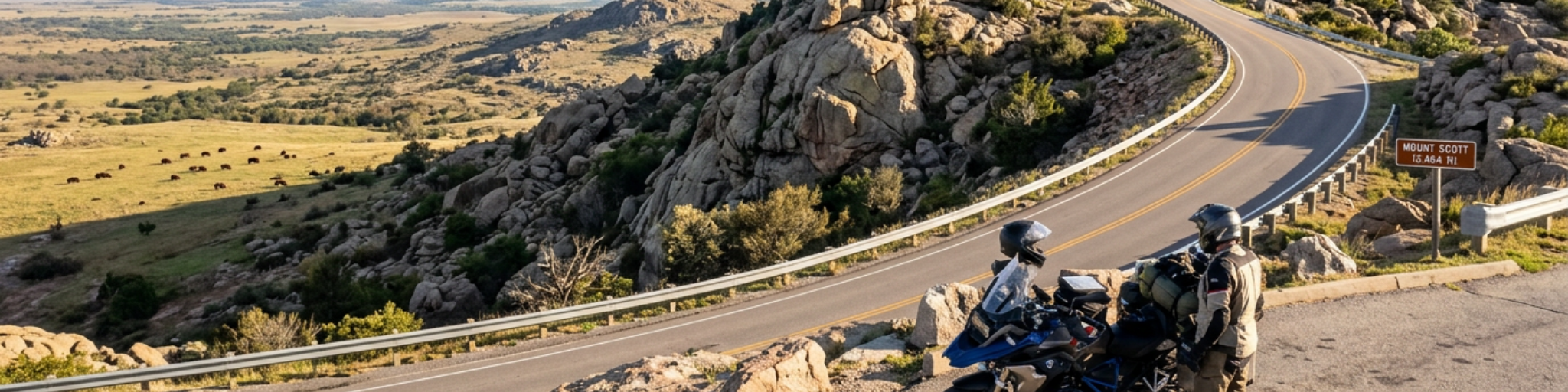
Image: AI-generated for illustrative purposes.
Table of Contents
- Summary
- What Are the Wichita Mountains?
- How Do You Get There from Oklahoma City?
- What Are the Best Roads in the Refuge?
- What Should You Know About Wildlife on the Road?
- Where Do Riders Stop to Eat?
- What Motorcycle Works Best Here?
- How to Plan the Full Day Trip
- Key Takeaways
- Frequently Asked Questions
- Plan Your Ride from Eurotek OKC
- Continue Exploring
Summary
The Wichita Mountains Wildlife Refuge near Lawton, Oklahoma is the best motorcycle riding destination within 90 minutes of Oklahoma City – and it doesn’t get nearly the attention it deserves. Ancient granite peaks, winding refuge roads, genuine wildlife, and almost no traffic on a weekday morning combine into something that surprises nearly every rider who makes the trip for the first time. This guide covers the roads, the planning, the stops, and what kind of motorcycle makes the most of it.
The first time most Oklahoma City riders go to the Wichita Mountains, they come back with the same reaction: “I had no idea that was out there.”
That’s fair. The drive out I-44 toward Lawton doesn’t hint at what’s coming. The highway is flat, the landscape is open plains, and nothing about the approach suggests you’re about to find granite peaks, winding roads, and terrain that looks more like west Texas or southern New Mexico than central Oklahoma.
And then the mountains appear. Here’s what to do once they do.
What Are the Wichita Mountains?
Quick Answer: The Wichita Mountains are one of the oldest mountain ranges in North America – ancient granite peaks that predate the Appalachians. The Wichita Mountains Wildlife Refuge covers nearly 60,000 acres of this terrain and is home to bison, longhorn cattle, elk, deer, and some of the most unexpected motorcycle roads in the central United States.
These mountains are genuinely old. The granite formations in the Wichita Mountains are estimated to be around 540 million years old – among the most ancient exposed rock in the country. What that means for riders is terrain that was shaped over an incomprehensible period of time into something that feels raw and dramatic in a way that engineered landscapes don’t.
The Wildlife Refuge itself was established in 1901 – one of the oldest in the national wildlife refuge system. The roads through it were not designed with motorcycles specifically in mind, but they were built to move through terrain that doesn’t allow for straight lines. That’s the point.
Notable landmarks within and near the refuge include Mount Scott (the tallest peak, accessible by paved road to the summit), the Meers Store (a legendary burger stop just outside the refuge boundary), Lake Lawtonka, Lake Elmer Thomas, and the Holy City of the Wichitas – an outdoor amphitheater built in the 1930s that’s worth a slow pass-through.
How Do You Get There from Oklahoma City?
Quick Answer: From Oklahoma City, take I-44 west toward Lawton – about 85–90 miles. Exit at Cache Road or follow signs toward the Wildlife Refuge northeast entrance. Door to refuge roads is roughly 90 minutes depending on where you start in OKC and how you ride the approach.
The most direct route is straightforward: I-44 west out of OKC through Chickasha and into Lawton. The interstate is fast and uneventful – treat it as the transit portion of the trip and save your focus for what comes after.
Two Approach Options Worth Knowing
- Northeast entrance near Cache: The most commonly used entry point for OKC riders. Clean approach, easy to navigate, puts you into the refuge quickly.
- Via Medicine Park: A slightly longer approach that passes through Medicine Park – a small historic town with cobblestone streets, a creek, and a low-key charm that makes for a good early stop before entering the refuge. Worth adding if you’re not in a rush.
The return route doesn’t have to mirror the outbound trip. Some riders loop back through Chickasha on US-62 or add a stop in Anadarko. The roads between Lawton and OKC on the state highway network are considerably more interesting than the interstate – worth exploring if daylight allows.
What Are the Best Roads in the Refuge?
Quick Answer: The paved refuge roads are well-maintained and wind through terrain that requires them to curve – there is no straight-line option through this landscape. The road to Mount Scott’s summit is a must. The main refuge loop through the core of the preserve covers the most varied terrain.
The refuge road system is not a single road – it’s a network of connected paved routes that can be combined in different ways depending on how much time you have. The core loop covers the most important ground and can be ridden in a couple of hours at a relaxed pace. Adding Mount Scott and the outer sections extends the riding meaningfully.
Highlight Roads and Landmarks
- Mount Scott Road: A winding paved road to the top of the highest peak in the refuge. The views from the summit cover the entire range and extend well into the plains. About 1.5 miles from the base to the top – tighter curves near the summit.
- Main Refuge Loop: The primary road system through the refuge core. Granite formations close to the road, open meadows, prairie dog towns, and wildlife crossing points throughout.
- Lake Lawtonka and Lake Elmer Thomas roads: Skirting the refuge’s western edge, these roads add variety and give you a different perspective on the terrain.
- Holy City of the Wichitas: Passed on the eastern side of the refuge – an unusual and genuinely interesting stop at low speed.
Pavement quality inside the refuge is generally good but can vary seasonally – spring potholes after freeze-thaw cycles are possible. Ride smooth and within your sight lines, especially on the tighter sections near Mount Scott.
What Should You Know About Wildlife on the Road?
Quick Answer: Wildlife on the road inside the refuge is not a scenic detail – it’s a real riding hazard. Bison can and do cross and block the road at any point. They weigh up to 2,000 pounds and do not respond to your horn. Plan your speed accordingly and treat every blind curve as a potential wildlife crossing.
The refuge is home to approximately 650 bison, 50 Texas longhorn cattle, elk, white-tailed deer, wild turkey, and prairie dogs – all living in open range conditions that mean the roads are part of their territory, not the other way around.
How to Ride Safely Here
- Ride within your sight lines at all times – especially on blind curves and through tall grass sections
- Maintain following distance behind other vehicles – they may stop suddenly for wildlife
- When bison are on or near the road, stop and wait – do not attempt to ride past a moving bison at close range
- Prairie dog towns create unexpected movement along road edges – small but worth watching for
- Dawn and dusk are peak wildlife movement times – if you’re riding early morning or late afternoon, reduce speed accordingly
Being stopped roadside while a bison herd crosses in front of you is one of the more remarkable moments Oklahoma riding can offer. The recommended approach is to enjoy it from a respectful distance and let them finish at their own pace.
Where Do Riders Stop to Eat?
Quick Answer: Meers Store and Restaurant, just north of the refuge boundary, is the essential stop for Wichita Mountains riders. A genuinely legendary Oklahoma roadside experience – expect a wait on weekends, worth it.
Meers Store has been operating in some form since the 1901 Oklahoma land rush era. It’s remote, unpretentious, and famous across the state for its Meersburgers – made with longhorn beef raised on the surrounding ranch. The parking lot on a Saturday morning is a reliable collection of interesting motorcycles from across the region.
Other Nearby Options
- Medicine Park: Small restaurants and a cafe scene in the historic cobblestone district – good for a pre-ride breakfast or a late-afternoon stop
- Lawton: Full range of dining options for pre-ride fuel or post-ride wind-down
- Cache: Small town near the northeast entrance – limited options but gas is available
Gas up before you enter the refuge – there are no fuel options inside the Wildlife Refuge boundary. Cache and Lawton are the closest reliable fuel stops depending on which entrance you use.
What Motorcycle Works Best Here?
Quick Answer: The Wichita Mountains roads are paved, winding, and rewarding of good handling at moderate speeds. A mid-weight bike with capable suspension – adventure, naked, or sport touring – is ideal. Heavy tourers can manage it; sport bikes enjoy it; the BMW GS platform and the Royal Enfield Himalayan both feel very at home here.
The roads inside the refuge are not fast. They’re not supposed to be. The terrain is the point – winding around granite formations, climbing to Mount Scott, tracing the edge of open meadows – and the motorcycles that enjoy this most are ones that communicate with the rider at the speeds that make sense here.
By Motorcycle Category
- Adventure bikes (BMW R 1300 GS, Royal Enfield Himalayan 450): Exceptional fit. Upright ergonomics, confident suspension, comfortable on the longer approach roads and engaged on the refuge curves.
- Naked bikes (Ducati Monster, Ducati Streetfighter): Very strong choice for riders who want the ride to feel alive – the feedback from these bikes makes the winding terrain genuinely engaging.
- Sport touring (BMW R 1250 RS, Ducati Multistrada): Handles the day perfectly, especially if you’re combining the refuge with a longer Oklahoma loop.
- Cruisers and classic (Royal Enfield Super Meteor 650, Classic 650): Manageable and enjoyable at refuge speeds – the character of these bikes suits the pace and atmosphere.
- Heavy touring: Manageable on the main refuge roads; Mount Scott’s upper curves require more attention. Check your turning radius before committing to the summit road fully loaded.
If you’re unsure whether your current bike is the right platform for this kind of riding, that’s a conversation worth having at Eurotek OKC before the trip.
How to Plan the Full Day Trip
Quick Answer: A full Wichita Mountains day trip from OKC runs 6–8 hours including transit, riding inside the refuge, and a stop at Meers. Leave by 7:30 AM to hit the refuge in the cooler morning hours and avoid the weekend midday crowds. Return via state highways for more interesting riding on the way home.
Sample Day Itinerary
- 7:00–7:30 AM: Leave OKC. I-44 west toward Lawton.
- 8:45–9:00 AM: Enter the refuge via northeast entrance near Cache.
- 9:00–11:30 AM: Ride the refuge roads. Main loop, Mount Scott, Holy City.
- 11:30 AM–1:00 PM: Meers Store. Get there before the weekend crowd peaks.
- 1:00–2:00 PM: Return loop via Medicine Park or Lawton. Fuel up.
- 2:00–3:30 PM: Return to OKC via state highways or I-44.
Seasonal Considerations
- Spring (April–May): Wildflower season – the refuge is exceptionally scenic. Watch for spring weather and wind on the approach roads.
- Summer (June–August): Hot. Leave early, bring water, plan to be done with refuge riding before early afternoon heat peaks.
- Fall (September–November): Best overall conditions. Cooler temperatures, lower visitor traffic, clear skies most days.
- Winter (December–February): Rideable on good days. Check conditions – ice on the approach is possible, and the refuge can be slick after precipitation.
Wind on the I-44 approach is a consistent factor, especially in spring. A windscreen or adventure fairing makes the 90-mile transit significantly more comfortable.
Key Takeaways
✔ The Wichita Mountains are the best motorcycle roads within 90 minutes of Oklahoma City
✔ The refuge covers nearly 60,000 acres of ancient granite terrain with well-maintained paved roads
✔ Wildlife on the road is real – ride within your sight lines and give bison the right of way
✔ Meers Store is the essential rider stop – plan the trip around it
✔ Gas up before entering the refuge – no fuel inside the boundary
✔ Leave OKC by 7:30 AM for the best conditions and crowds on weekends
✔ Fall is the best season; spring wildflower season is a strong second
✔ Mid-weight adventure and naked bikes make the most of the terrain
The Wichita Mountains don’t look like Oklahoma. Riders who’ve been there tend not to correct anyone who says otherwise – they like having it mostly to themselves.
Frequently Asked Questions
How far are the Wichita Mountains from Oklahoma City?
The Wichita Mountains Wildlife Refuge is approximately 85–90 miles southwest of Oklahoma City via I-44 west toward Lawton, then northwest toward Cache. Riding time from OKC to the refuge entrance is roughly 80–90 minutes depending on starting point and pace.
Is there an entrance fee for the Wichita Mountains Wildlife Refuge?
The Wichita Mountains Wildlife Refuge is a U.S. Fish and Wildlife Service facility. There is no entrance fee to ride or drive through the refuge on paved roads. Some specific areas and campgrounds may have associated fees – check current refuge information before your visit.
What is Meers Store and why do motorcyclists go there?
Meers Store is a historic roadside restaurant just north of the Wichita Mountains Wildlife Refuge near the town of Meers, Oklahoma. It’s been operating in some form since the early 1900s and is famous for its Meersburgers – large burgers made with longhorn beef from the surrounding area. It draws riders from across Oklahoma and beyond and is considered the essential stop on a Wichita Mountains trip. It can be crowded on weekend afternoons – plan accordingly.
Are the roads in the Wichita Mountains Wildlife Refuge paved?
Yes – the primary roads throughout the refuge and to the summit of Mount Scott are paved. There are unpaved areas within the refuge, but the main motorcycle routes stay on maintained pavement. Riders with adventure bikes have the option to explore some of the unpaved tracks – this is at your own discretion and the surfaces vary considerably.
What is the best time of year to ride the Wichita Mountains?
Fall is the best overall season – September through November brings cooler temperatures, stable weather, and excellent visibility. Spring (April through May) is the best for wildflowers and green terrain, though Oklahoma spring weather can be unpredictable. Summer works with an early start before midday heat builds. Winter riding is possible on good-weather days but requires checking conditions carefully.
Plan Your Ride from Eurotek OKC
The right motorcycle makes the Wichita Mountains even better. Whether you’re on a BMW GS ready for anything the refuge throws at you or a Royal Enfield Himalayan that feels completely at home in that terrain – we can help you find the bike that fits the ride.
Stop in at 3550 W Reno Ave in OKC and let’s talk about what you want from the road. Browse our inventory or contact us to get started.
Call: (405) 948-4000 | Text: (405) 948-4000 or (405) 407-1106 | Eurotek-OKC.com